Deindustrialization of Punjab/ Khalistan
Dr. Gurinder Singh Grewal
Ever since 1947 Punjab has been told by Indian state and its cronies that due to its proximity to Indo- Pak border Punjab is a not suitable state for industrialization. Punjabis have been believing this narrative even today. This is the biggest deception contrary to the facts.
Let us examine the facts
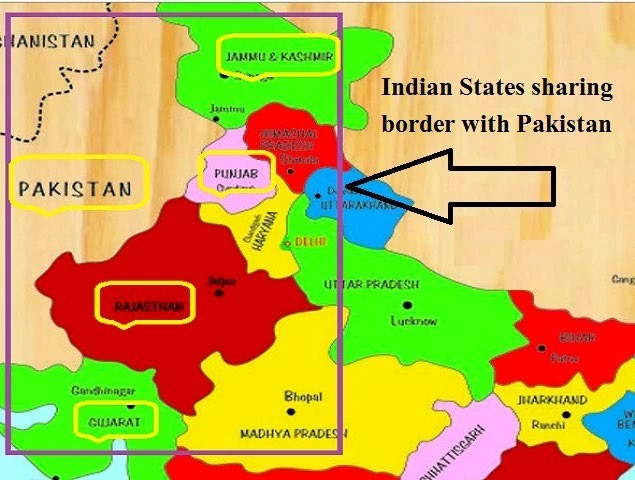
Four Indian states share a border with Pakistan:
Jammu and Kashmir: Shares the longest border with Pakistan at 1,222 km Rajasthan: Shares a 1,179 km border with Pakistan
Gujarat: Shares a 506 km border with Pakistan Punjab: Shares a 425 km border with Pakistan
The total length of the India-Pakistan border is 3,323 km.
Chandigarh (Capital of Punjab) to Wagah border distance by road is 250km
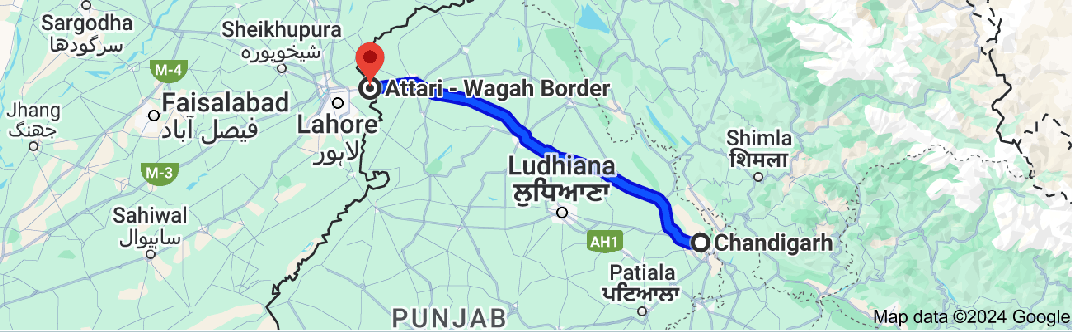
(255.0 km) via NH 344A and NH 3
The distance from Gandhinagar (Capital of Gujarat) to the Indo-Pak border at Nadabet is about 227 kilometers.
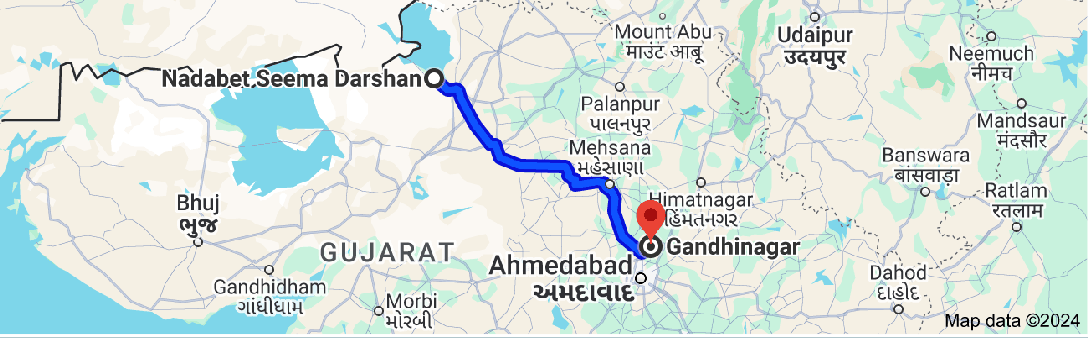
4 hr 35 min (227.5 km) via Radhanpur Rd
Cities of Punjab Affected by Deindustrialization:
Amritsar:
Amritsar is known for religious, cultural, or general tourism. It is also called the Cultural Capital of Punjab. The holiest shrine of the Sikh community, the Golden Temple, has 350,000-400,000 visitors per day, which can increase to 1.5 million people on special occasions and festivals. It provides business to shopkeepers, transporters, and hotel owners, and employment to thousands of young people living in the city.
Textile industry decline:
Amritsar was once a major textile hub in India, but the industry has significantly shrunk due competition from other cities like Ahmedabad.
Apart from the Textile industry, the city is also famous for making Chess Boards and Kirpan. Khanna Paper Mill, situated in the city, is in the top 10 Paper Mills of India and the first one to use recycled paper.
Nahar industrial enterprises: This company now makes 40% of its products in Madhya Pradesh. Vardman: This company has expanded outside of Punjab.
Trident: 50% of Trident capacity is now. Impact on employment:
The decline in industrial activity has led to high unemployment rates in the city, particularly impacting the local workforce previously employed in textile mills.
Jullundar:
- Sports: Many sports industries have moved to Meerut, Uttar Jalandhar was once a major center for sports products.
- Textiles and garments: Some textile and garment industries have moved to Madhya
Ludhiana:
Historically known as the “Manchester of India” due to its thriving textile and hosiery industries, Ludhiana has faced significant industrial shifts in recent years. Various industries have either scaled down, relocated, or diminished their presence in Ludhiana due to a combination of economic, regulatory, and infrastructural challenges.
Some of the key industries that have seen a move out of Ludhiana include:
1. Textile and Hosiery Industry:
Migration to other states: The textile and hosiery industries that once flourished in Ludhiana have seen a shift to other regions, such as Gujarat, Rajasthan, and Uttar Pradesh
2. Manufacturing and Heavy Engineering:
Decline of traditional industries: Ludhiana was known for its manufacturing of machine tools, engineering goods, and parts for bicycles and auto components. Many small and medium-scale enterprises (SMEs) in this sector are either relocating to other cities in states like Haryana, Gujarat, or Uttar Pradesh, which offer better facilities and policies.
3. Bicycle Industry:
Reduced prominence: While Ludhiana was once the hub of bicycle manufacturing, the industry has seen a decline, with many smaller units relocating to other parts of India, including the outskirts of cities like Faridabad and Jaipur.
4. Leather Industry:
The leather industry in Ludhiana, which produced leather goods like shoes, bags, and accessories, has seen a decline. Many tanneries and leather processing units have moved to states offering more favorable environmental regulations, like Tamil Nadu.
5. Rice and Flour Mills:
Due to changes in agricultural practices and a shift in focus towards higher-margin crops like fruits and vegetables, some traditional rice mills and flour mills have shifted operations to other regions. Many have closed as well.
6. Chemical and Paint Industries:
Environmental challenges and high operational costs have prompted many chemical and paint manufacturing units to either relocate or shut down. Industrial areas like Focal Point and other zones have seen a reduction in chemical manufacturing, and businesses in these sectors are moving to states with less stringent regulations.
Mandi Gobindgarh:
The steel industry has moved out of Mandi Gobindgarh, Punjab, India, as many of its steel factories have closed:
- Steel factories: More than a third of the steel factories in Mandi Gobindgarh have shut down, including induction furnaces, coal-fired foundries, and rolling
- Unemployment: The closure of factories led to thousands of people becoming unemployed.
- Financial crisis: The 2008 financial crisis and global recession affected the
- Import and export taxes: Increased tax duties on imports and exports from 2012 to 2015 hurt the profits of the steel
Many reasons are given for the deindustrialization of Punjab.
#1. Chinese dumping cheap “stuff” #2. Infrastructure problems
#3. The cost of transport to the seaport
#4. Moving steel industry close to coal mines #5. Special economic zones
Special Economic Zone (SEZ) 2005-2006
A Special Economic Zone (SEZ) in India is a designated area within the country that offers significant benefits and incentives to new business owners, particularly those focused on exporting goods and services, by providing tax breaks, simplified customs procedures, and access to better infrastructure, essentially creating a more favorable environment to attract foreign investment and promote export-oriented businesses.
- Benefits for businesses:
- Tax exemptions
- Duty-free imports for production
- Simplified customs procedures
- Access to quality infrastructure
- Easier regulatory environment
Since the present government came into power they have targeted Punjab industries. Special economic zones were designed for the new business to be created not for relocation of business in the same country. BJP government does not consider Punjab to be part of India, they are treating Punjab as an occupied territory. They have used SEZ and given money to other states for moving business out of Punjab. SEZ means tax-free business for 5 to 10 years is enough incentive for some business to move out of Punjab.
If you rent your house to somebody who does not pay the rent on time, after some time the owner will give an eviction notice. The bad tenant does not leave the house without causing damage, for example flooding the house by blocking the toilet taking fixtures out of the house, etc. BJP government at the center is acting as a bad tenant. They know that they must leave Punjab. They understand referendum as an eviction notice to them; however, instead of paying dues for water and electricity (due to Punjab), they want to destroy it before they leave. My appeal to the people of Punjab is to wait no more! The sooner we get rid of them and have a free Punjab the sooner we will be able to salvage whatever is left and rebuild it.