Khalistan is a Viable Option
Gurinder Singh Grewal, M.D.
Requirements to Establish a New Country:
- Territory: A defined geographical area is essential.
Punjab (Indian occupied), India, has an area of approximately 50,362 square kilometers (about 19,445 square miles).1
As of 2023, around 60 countries have a total area smaller than that of Punjab1:
Area in Squares Kilometers:
Punjab, India = 50,362 km2
Switzerland = 41,290 km2
Israel = 22,145 km2
Denmark = 42.933 km2
Some Other Countries that are smaller than Punjab:
Malta – Maldives – Barbados – Saint Kitts and Nevis – Antigua and Barbuda – Seychelles – Luxembourg
- Land-Locked Countries: As of 2023, there are 44 landlocked
countries in the world2. These countries do not have any coastlines and are surrounded by land. Some notable examples of landlocked countries include:
Switzerland, Austria, Hungary, Nepal, Kazakhstan, Bolivia
- 3. Population: A group of people who identify as citizens of the new country. This population should have a shared sense of identity or purpose. As of the latest estimates in 2023, the population of Punjab, India, is approximately 30 million people3. Around 50 to 60 countries have populations smaller than that of Punjab3. Some examples of countries with smaller populations include:
Punjab = 30 million
Switzerland = 8.8 million
Israel = 9.73 million
Denmark = 6.0 million
Malta, Belize, Barbados, Brunei, Luxembourg, Swaziland, Iceland
- 4. Government: Establishing a governing body is crucial. This includes creating a constitution or legal framework that outlines the structure of government, laws, and rights of citizens.
The Government of Occupied Punjab, India, operates as a parliamentary system within the framework of the Indian Constitution4. Here are some key aspects of the government structure:
– Executive Branch: The Chief Minister is the head of the government and is responsible for administering the state. A council of ministers supports the Chief Minister.
– The Governor of Punjab is the constitutional head of the state, appointed by the President of India, and performs ceremonial duties.
– Legislative Branch: Punjab has a unicameral legislature known as the Punjab Vidhan Sabha (Legislative Assembly), which consists of Members of the Legislative Assembly (MLAs) elected by the public. The assembly is responsible for making laws and overseeing the executive branch.
– Judicial Branch: The judiciary in Punjab is part of the Indian judicial system, with the Punjab and Haryana High Court located in Chandigarh, which serves as the common high court for both Punjab and Haryana.
– Administrative Divisions: Punjab is divided into several districts, each headed by a District Collector or Deputy Commissioner, who is responsible for administering and implementing government policies at the district level.
– Political Parties: Various political parties operate in Punjab, with the Indian National Congress and the Aam Aadmi Party being prominent players in recent elections.
The government of Punjab is responsible for various sectors, including education, health, agriculture, and infrastructure development, and it works to address the needs and welfare of its citizens.
Freedom and Constitutional Development: India, USA, China
independence (“freedom”) and constitutional implementation in India, the United States, and China:
India
7
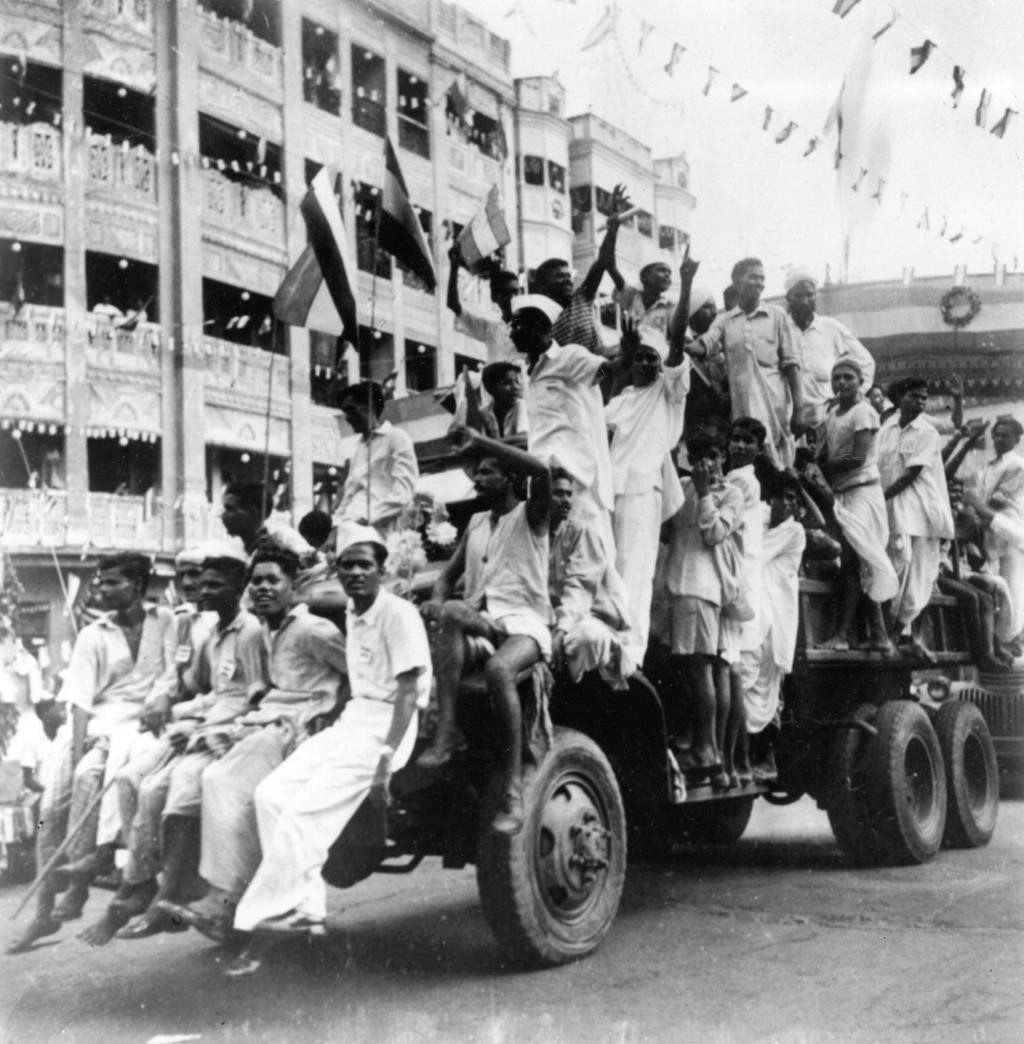
- Year of Independence: 1947
- Achieved on August 15, 1947, from United Kingdom rule.
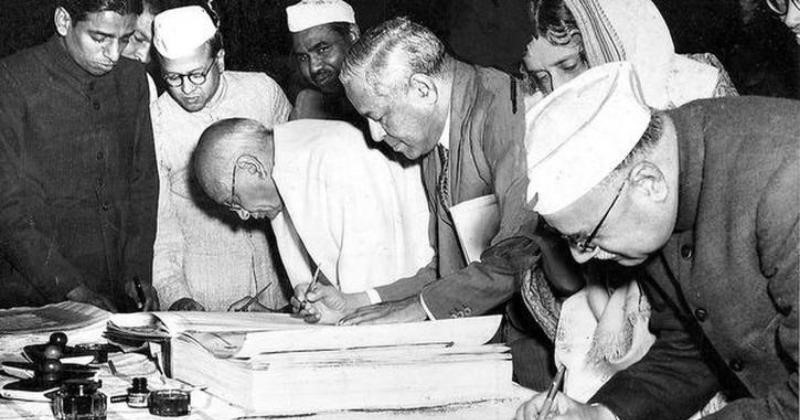
- Constitution Adopted: 1949
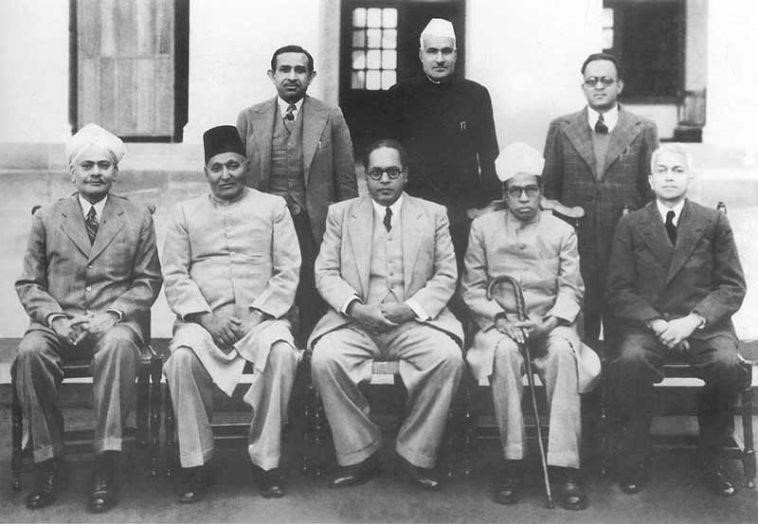
- Drafted under the leadership of B. R. Ambedkar.
- Constitution Came into Force: 1950
- Effective from January 26, 1950 (celebrated as Republic Day).
United States
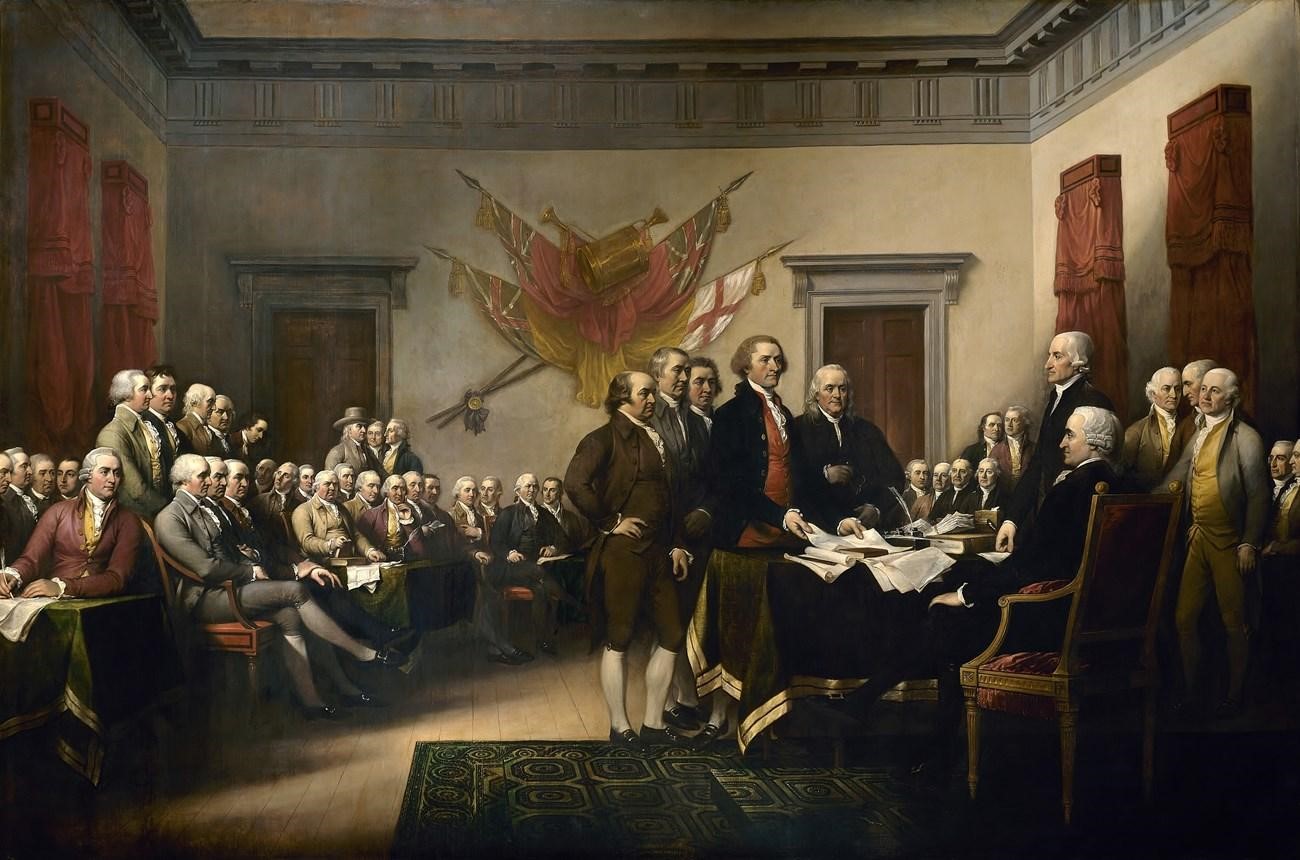
- Year of Independence: 1776
- Declared on July 4, 1776, from United Kingdom.
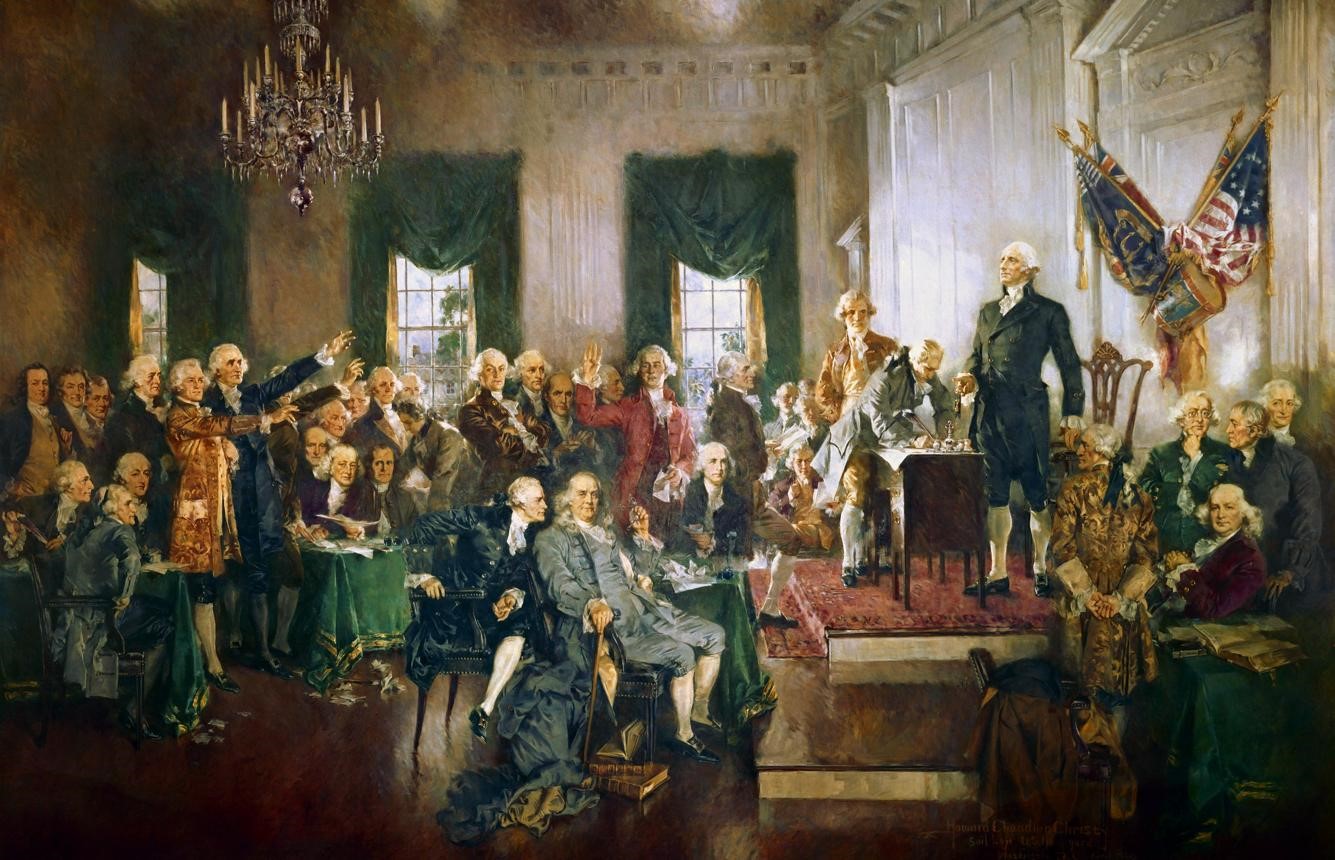
- Constitution Adopted: 1787
- Drafted at the Constitutional Convention in Philadelphia.
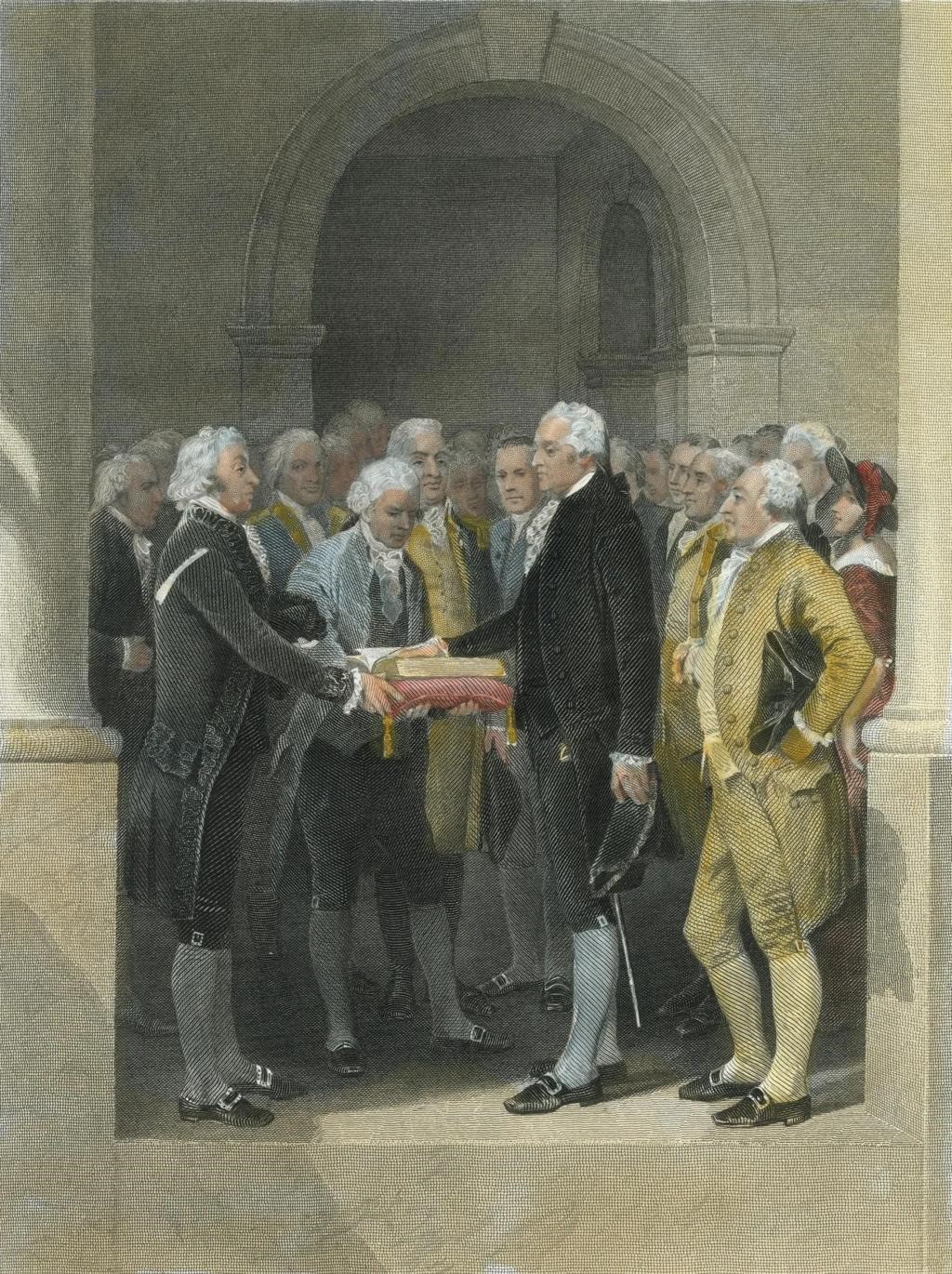
- Constitution Came into Force: 1789
- With the inauguration of George Washington.
👉 Gap: ~13 years between independence and stable constitutional system
(interim governed by the Articles of Confederation).
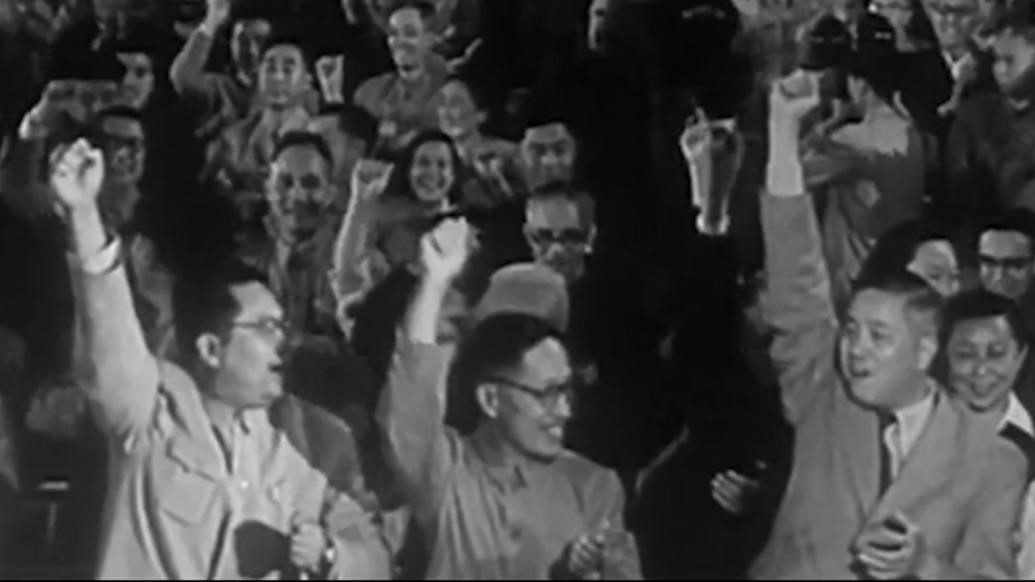
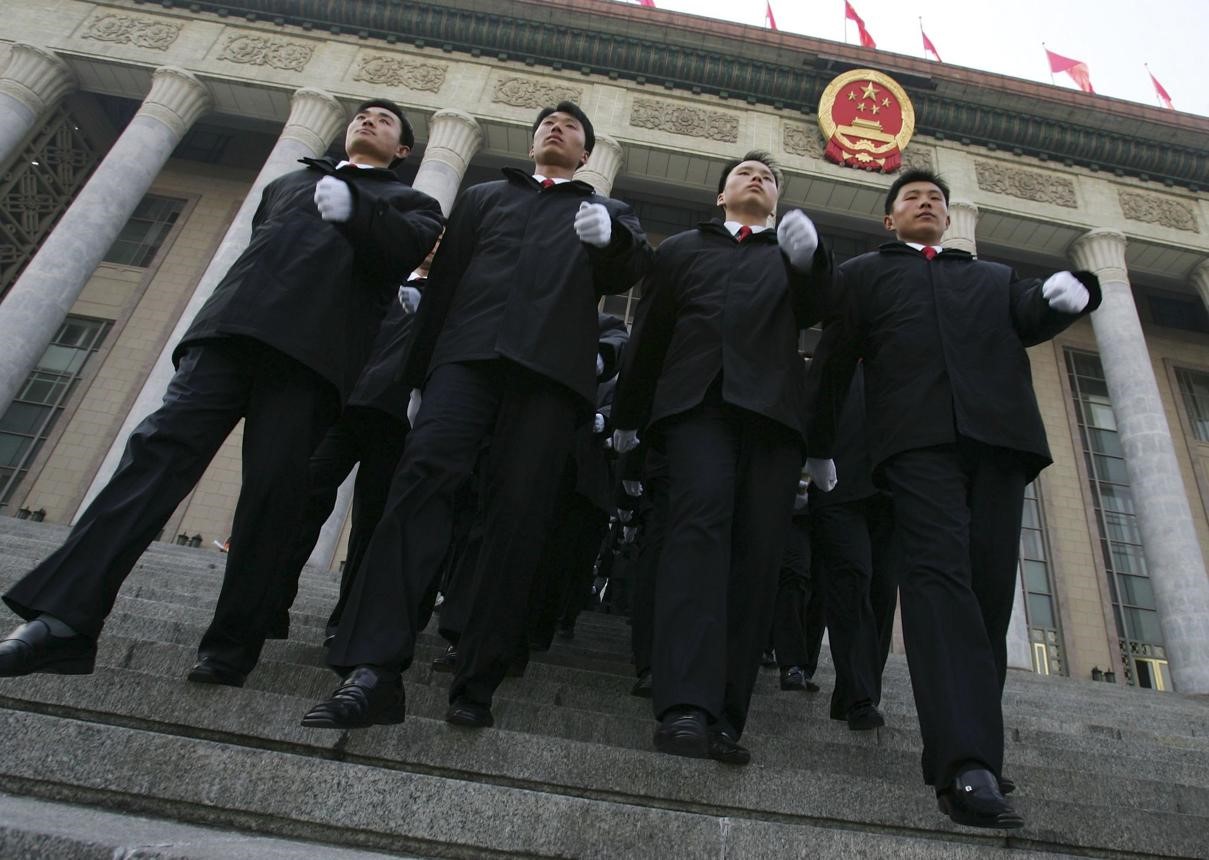
China (People’s Republic of China)
5
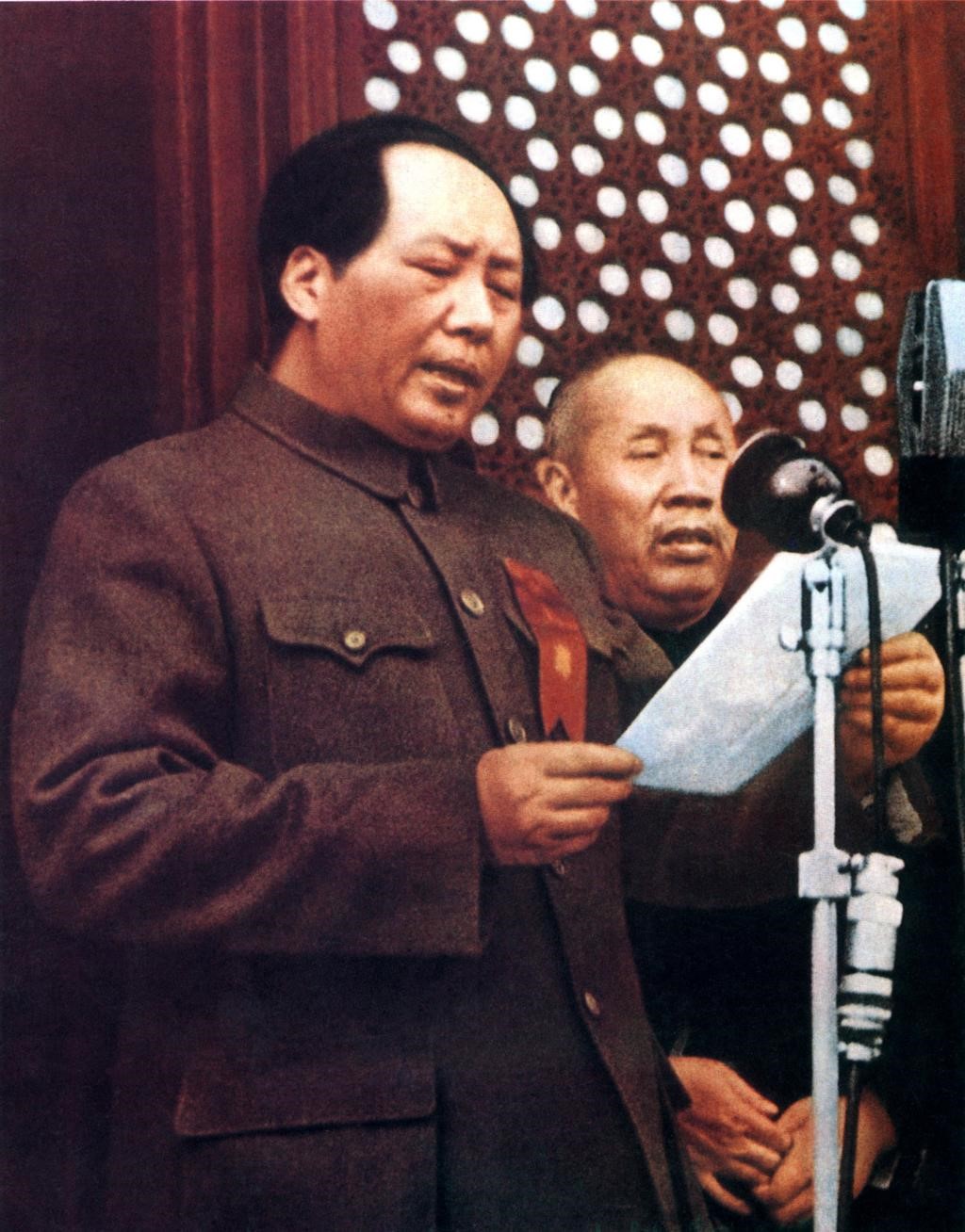
- Year of Establishment (Communist “freedom”): 1949
- Mao Zedong proclaimed the People’s Republic on October 1, 1949.
- First Constitution Adopted: 1954
- By the National People’s Congress.
👉 Gap: ~5 years between establishment and first formal constitution.
Comparative Summary
| Country | Independence / Founding | Constitution in Force | Time Gap |
| India | 1947 | 1950 | ~2.5 years |
| United States | 1776 | 1789 | ~13 years |
| China (PRC) | 1949 | 1954 | ~5 years |
- Recognition: Gaining recognition from other countries and
international organizations is vital for legitimacy and to establish diplomatic relations. Recognition from other countries, especially from the United Nations, can take years.
As of 2023, there are 195 countries in the world, of which 192 are member states of the United Nations (UN)5. This means that three countries are not UN members:
- Taiwan(officially known as the Republic of China, or ROC) Taiwan is not a UN member due to the One-China policy, which recognizes the People’s Republic of China (PRC) as the sole representative of China in the UN5.
- Vatican City(officially known as the Holy See) – Vatican City is a non-member observer state at the UN, which means it has a unique status and is not a full member5.
- Kosovo, As of 2023, is not a member of the United Nations (UN). Kosovo declared independence from Serbia in 2008, and it has been recognized by over 100 countries, including the United States and most European Union member states5.
Israel as a country is not recognized by many of its neighbors.
- Sustainability: A plan for economic sustainability, including resources, infrastructure, and services, is necessary to support the population and government.
The economy of Punjab is the 16th largest state in India. In 2024, the GDP of Punjab is estimated to be USD 96 billion6. The per capita GDP of Punjab is greater than that of India and Pakistan.
| Per Capita GDP in USD7 | |
| Punjab | $3,500 to $4,000 |
| India | $2,500 to $3,000 |
| Pakistan | $1,500 to $1,800 |
As of 2023, the per capita GDP of Israel is estimated to be USD 55,000
As of 2023, the per capita GDP of Switzerland is USD 94,000
Even though Switzerland and Israel are smaller in population and area, their per capita GDP is higher than Punjab’s because they are free countries and can establish their trade policies.
- Sikhs in the diaspora: It is reported that the Sikh diaspora contributes approximately $1 billion to
USD 2 billion annually in remittances to Punjab8.
- Water Value: Approximately 70% of Punjab River water is allocated to non-riparian states without any compensation.
In 2010, the value of this loss to Punjab agriculture was ₹ 25 billion9.
- Electricity Production: The total electricity generation capacity in Punjab is approximately 13,000 MW, with a substantial portion of this capacity being consumed within the state and some being exported to neighboring states10. The annual revenue from electricity generation is estimated to be between $1 billion and USD 2 billion11.
Annual value of Punjab’s grain exports has been estimated to be around $1 – 2 billion USD
- Amritsar to Karachi: The distance is approximately 1,200 kilometers (about 746 miles)by road.
- Amritsar to Mumbai (Bombay): The distance is approximately 1,500 kilometers (about 932 miles)by road.
India does not allow Punjab to trade freely, especially the agricultural produce. If Punjab were a free country, the nearest seaport would be Karachi, not Bombay, and we would not need the permission of the Indian government in Delhi to use the Karachi seaport.
Punjab’s debt situation is a significant concern when compared to other Indian states. As of the latest available data, Punjab has one of the highest debt-to-GDP ratios among Indian states. It is mainly because the Indian government has imposed a situation on Punjab that is not of Punjab’s own making. The burden continues to increase every year, accruing interest. Currently, approximately 43% of Punjab’s GDP is allocated to servicing the debt. Punjab’s debt increased significantly after 1984 because it had to bear the burden of India’s paramilitary forces deployed in the region.
Farmers in Punjab are continually agitating for a fair price for their produce and other demands. Despite the Indian government’s acceptance of the demand, no action has been taken. The government of India wants to destroy Punjab. How can farmers of Punjab expect the same government to solve their problems? My appeal to the farm leaders of Punjab is to join the freedom movement, which is the proper remedy to all issues in Punjab.
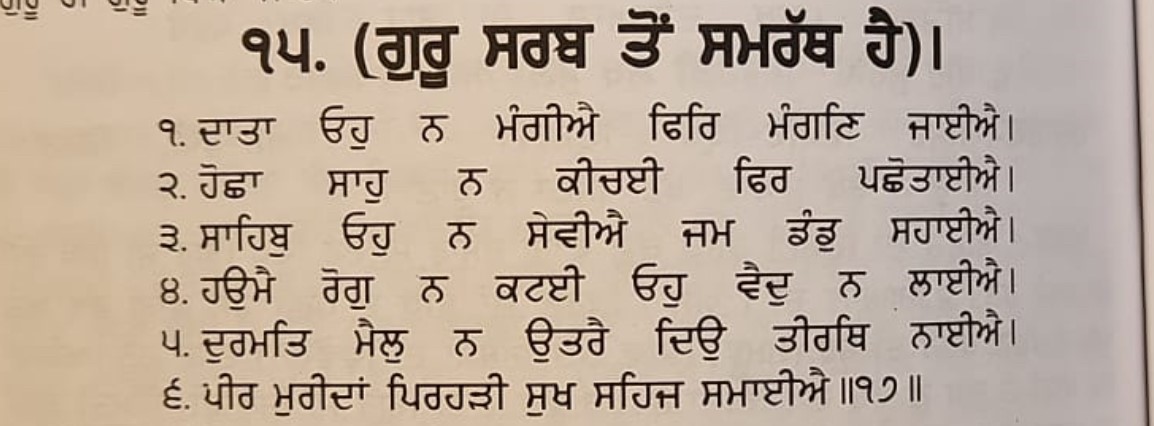
Remember the words of Bhai Gurdas:
- Security: Establishing a means of defense and maintaining order within the territory is essential for the stability of the new country.
The Indian Army, Navy, and Air Force have a total of approximately 1.4 million active personnel members12. Estimates suggest that Sikhs make up around 10% to 15% of them, particularly in certain regiments known for their historical contributions and valor. At one time, Sikhs represented about 30% of the Indian Armed Forces13. It will be reduced to 2% based on the population in the coming years.
A Pakistani general has written about the bravery of Sikhs in his book and how a small unit of Sikh soldiers stopped the Pakistani army from advancing in the Indo-Pak war.
- 8. Cultural Identity: Developing a national identity through culture, language, and traditions can help unify the population and foster a sense of belonging.
Punjab is known for its rich cultural heritage and history. The culture of Punjab is deeply intertwined with Sikhism, which originated in this region in the 15th century. Sikh culture emphasizes values such as equality, community service, and devotion to God14.
Key elements of Punjab and Sikh culture include:
- Language: Punjabi is the primary language spoken in Punjab, and it is also the language of Sikh scriptures, including the Guru Granth Sahib.
- Festivals: Major festivals such as Vaisakhi, which marks the harvest season and the formation of the Khalsa, and Gurpurab, celebrating the birthdays of the Sikh Gurus, are widely acclaimed15.
- Cuisine: Punjabi cuisine is renowned for its rich flavors, featuring dishes such as butter chicken, sarson da saag, and Makki di roti. The food often features a variety of lentils, vegetables, and dairy products15.
- Music and Dance: Traditional music forms, such as Bhangra and Giddha, are integral to Punjabi culture and are often performed during celebrations and festivals. Vibrant rhythms and energetic dance characterize the music15.
- Art and Craft: Punjab is known for its handicrafts, including phulkari embroidery, pottery, and woodwork. These crafts often reflect the vibrant colors and patterns of Punjabi culture.
- Religious Practices: Sikhism promotes a strong sense of community and service, with practices such as langar (a community kitchen) that serve free meals to all, regardless of their background.
Overall, Punjab and Sikh culture are characterized by their warmth, hospitality, and strong sense of community
- Concept of Sovereignty in Sikhism: In Sikhism, the concept of Sovereignty is deeply intertwined with the principles of justice, equality, and the divine right to self-governance. Sikh teachings emphasize the importance of individual and collective Sovereignty, where every person is seen as having inherent dignity and the right to make decisions about their own life.
Sikhism advocates for the idea of “Miri-Piri,” which represents the dual authority of spiritual and temporal power. The Sikh Gurus emphasized the need for individuals to stand up against oppression and injustice, advocating for the rights of the marginalized and the establishment of a just society.
Khalsa and Sovereignty: Guru Gobind Singh’s creation of the Khalsa in 1699 reinforced the idea of collective serenity.
Rejection of Tyranny: Guru Arjun and Guru Teg Bahadur’s Sacrifices. The Guru’s martyrdom was an act of defiance against political and religious tyranny. They demonstrated that Sovereignty, in the eyes of Sikhism, is grounded in truth and righteousness, not subjugation or coercion.
Sant Jarnail Singh Bhinderawale said if the Indian government attacks the Golden Temple, it will lay the foundation of Khalistan.
Bhai Harjinder Singh Jinda and Bhai Sukhdev Singh Sukha in their letter to India’s president:
Theoretically, it is appropriate to clarify that our Rastriya (nation) is the Khalsa Panth, which is absorbed into the Guru Granth Sahib. We took the first vital steps towards the destination of Khalistan by touching our foreheads with the foot dust of this nation. The elimination of Mr. Vaidya, the General of your forces engaged in destroying the Khalsa Panth and its power, was a holy act on our difficult path of martyrdom. It has once again brought the historical truth to light: the urge of the Khalsa Panth to breathe in freedom; its self-respect and honor cannot be diminished. Referendums were held in many countries by Sikhs for Justice. The Sikh diaspora has overwhelmingly voted in favor of Khalistan. If a Referendum is allowed in Punjab, the results will be the same.
A new country can be created through a mass uprising, such as the fall of the Berlin Wall and the collapse of the Soviet Union. The collapse of a colonial power can also be a catalyst for the freedom of an occupied state.
In the end, I would like to close with this: for all the problems of the Sikhs, there is only one remedy.
Freedom, freedom, and freedom, i.e., Khalistan.
Footnotes
- United Nations, World Statistics Pocketbook 2023.
- World Bank, “Landlocked Countries Overview,” 2023.
- Government of India, Census and Population Estimates, 2023.
- Government of Punjab, Statistical Abstract of Punjab 2023.
- United Nations, “Member States,” 2023.
- IMF, World Economic Outlook Database, 2024.
- World Bank, “GDP per Capita,” 2023.
- Reserve Bank of India, State Finances Report, 2023.
- Ministry of Jal Shakti, Government of India, 2010 Report.
- Central Electricity Authority, Government of India, 2023.
- Ministry of Agriculture, Government of India, 2023.
- SIPRI, Military Expenditure Database, 2023.
- Christophe Jaffrelot, The Sikh Nationalist Movement and the Indian State.
- H. McLeod, Sikhism.
- Harjot Oberoi, The Construction of Religious Boundaries.
- Louis Fenech and W. H. McLeod, Historical Dictionary of Sikhism.
- Khushwant Singh, A History of the Sikhs.
- Mark Kramer, “Collapse of East European Communism,” 2003.
- Erica Chenoweth and Maria Stephan, Why Civil Resistance Works.
Bibliography
Chenoweth, Erica, and Maria J. Stephan. Why Civil Resistance Works: The Strategic Logic of Nonviolent Conflict. New York: Columbia University Press, 2011.
Central Electricity Authority. All India Installed Capacity Report. New Delhi: Government of India, 2023.
Fenech, Louis E., and W. H. McLeod. Historical Dictionary of Sikhism. Lanham: Scarecrow Press, 2014.
Government of India. Agricultural Statistics at a Glance 2023. New Delhi: Ministry of Agriculture, 2023.
Government of India. Census of India 2011. New Delhi: Office of the Registrar General.
Government of Punjab. Economic Survey of Punjab 2023–24. Chandigarh: Government Press, 2024.
Government of Punjab. Statistical Abstract of Punjab 2023. Chandigarh: Government Press, 2023.
International Monetary Fund. World Economic Outlook Database. Washington, DC: IMF, 2024.
Jaffrelot, Christophe. The Sikh Nationalist Movement and the Indian State. New Delhi: Oxford University Press, 2003.
Jalal, Ayesha. The Struggle for Pakistan. Cambridge, MA: Harvard University Press, 2014.
Kramer, Mark. “The Collapse of East European Communism and the Repercussions within the Soviet Union.” Journal of Cold War Studies 5, no. 4 (2003): 178–256.
McLeod, W. H. Sikhism. London: Penguin Books, 1997.
Ministry of Jal Shakti. Inter-State River Water Disputes Report. New Delhi: Government of India, 2010.
Oberoi, Harjot. The Construction of Religious Boundaries: Culture, Identity, and Diversity in the Sikh Tradition. Chicago: University of Chicago Press, 1994.
Reserve Bank of India. State Finances: A Study of Budgets 2023–24. Mumbai: RBI, 2023.
Singh, Gurharpal. Ethnic Conflict in India: A Case-Study of Punjab. New York: St. Martin’s Press, 2000.
Singh, Khushwant. A History of the Sikhs. Vol. 2. Princeton: Princeton University Press, 1966.
Singh, Pritam. Federalism, Nationalism and Development: India and the Punjab Economy. London: Routledge, 2008.
Stockholm International Peace Research Institute (SIPRI). Military Expenditure Database. 2023.
United Nations. World Statistics Pocketbook 2023. New York: United Nations, 2023.
United Nations. “Member States.” 2023.
World Bank. “GDP per Capita (Current US$).” World Development Indicators, 2023.
World Bank. “Migration and Remittances Data.” 2023.
World Bank. “Landlocked Countries: Overview.” 2023.